

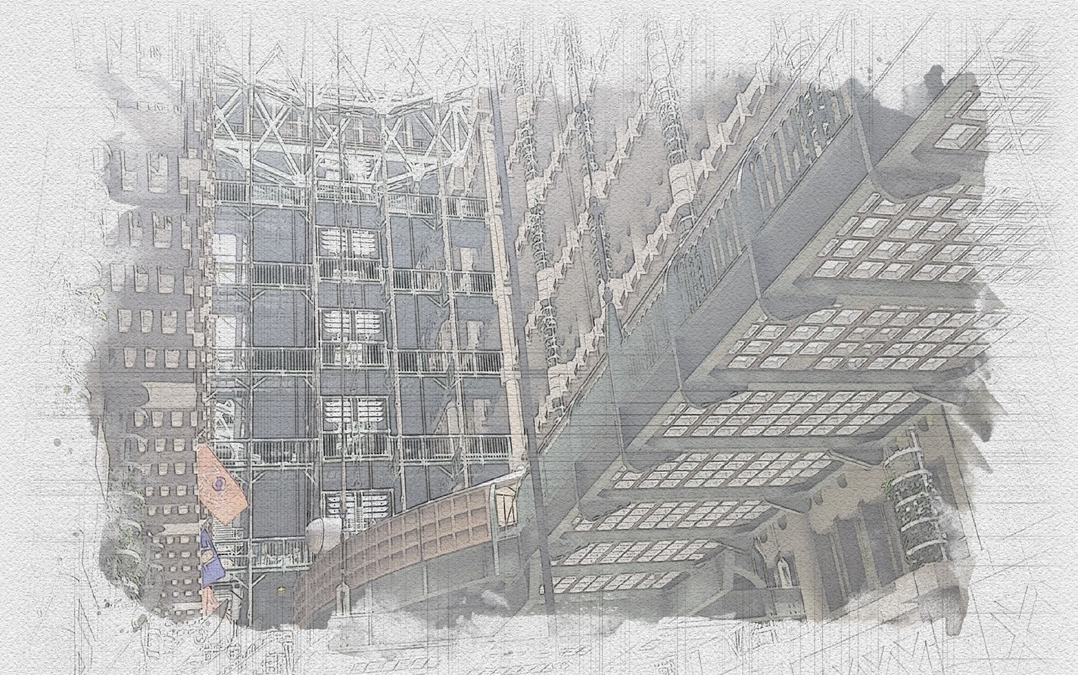

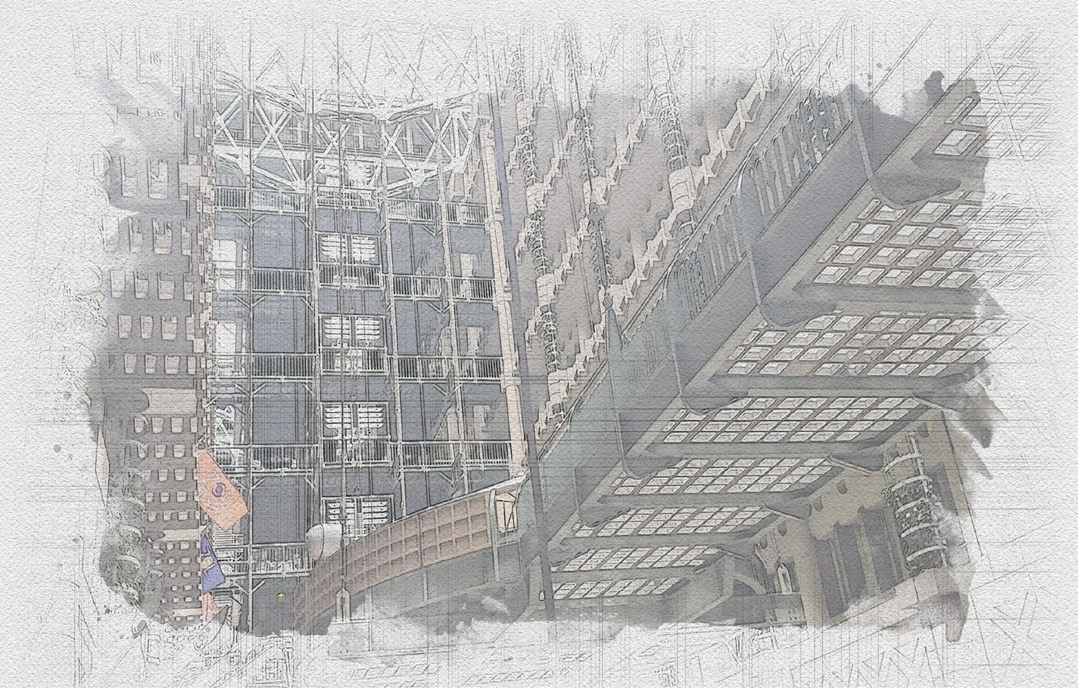
Sustainable Building and construction is one of the key strategies for fighting climate change. Buildings and construction sector contribute to 50% of global greenhouse gas emissions. As a result, buildings must be constructed in a manner that saves energy, reduces water intensity as well as minimising waste.
Some of the global examples of sustainable buildings include the Eastgate Building in Zimbabwe and Bahrain World Trade Centre. Buildings which use natural lighting instead of artificial energy intensive lighting, are becoming more preferred. Natural cooling buildings which offset the need for air conditioning are becoming the order of the day.
At a smaller scale and individual level, a lot of work can be done towards installing energy efficient lighting in buildings. The use of solar geysers is also a key strategy of reducing both the energy consumption and the carbon footprint of buildings.
Whilst everyone is building in the twenty first century, it is necessary to promote a transition towards cleaner and greener building materials. Construction is well known for having a negative impact on the environment. This includes the impact generated by activities such as and abstraction as well as abstracting quarry stones.
The key challenges facing the world today include climate change, water crises and biodiversity loss. These need to be prevented as a means of averting an imminent crisis. Recycled steel can be used in areas where steel is required and recycled wood is becoming a popular green material in some countries.
Interventions related to building design, material purchases and environmentally sound disposal of waste can help make an impact and prevent a catastrophe.
